
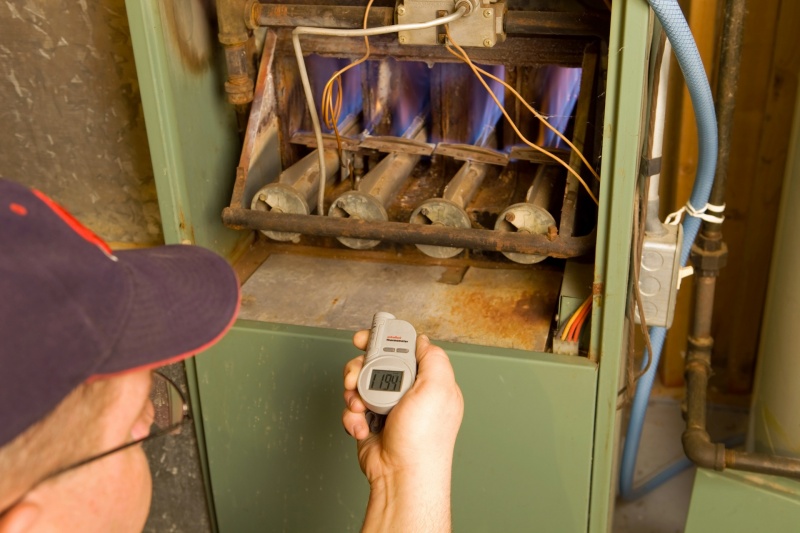
You’ve looked up information about your furnace before. You always see the same lifespan every time you look it up, but did you know your furnace has the chance to last for longer than average? It’s difficult to know when to replace your furnace, but it could be later than you originally believed. To make an informed decision, evaluate your current furnace’s age, efficiency, and maintenance history. Let’s talk about why, and whether or not you need furnace replacement in Sylvania, OH.
You always see the same lifespan every time you look it up, but did you know your furnace has the chance to last for longer than average? It’s difficult to know when to replace your furnace, but it could be later than you originally believed. Let’s talk about why, and whether or not you need furnace replacement in Sylvania, OH.
When considering when to replace your furnace, maintenance history is the first indicator to turn to. The cost of furnace repairs versus replacement should also be considered, as frequent repairs may make replacement more cost-effective. Regular furnace maintenance is essential for extending the lifespan and ensuring the efficiency of your heating system. Additionally, a furnace that is still relatively new may be a candidate for repair rather than replacement. A furnace that produces strange sounds or smells may indicate a need for replacement, signaling potential underlying issues.
Proper care can help your furnace last longer, but it’s important to remember that heating and cooling systems as a whole require ongoing attention to maintain optimal home comfort and energy efficiency. Regular maintenance for air conditioners, including annual checkups, is crucial to ensure efficiency and readiness for the hot and humid seasons. Comprehensive heating air conditioning services cover installation, maintenance, and repair for both heating and cooling systems, helping to keep your home comfortable year-round. While repairs may seem like an affordable option in the short term, ongoing issues with your current furnace can make replacement a better long-term investment.
Specialized HVAC services in Toledo are available to meet the unique needs of local homeowners, offering expert solutions for all aspects of home comfort. Cost data from industry sources can help homeowners understand the typical cost of furnace replacement and maintenance, providing realistic expectations for budgeting. The average cost for a new furnace installation in Toledo ranges from $3,500 to $11,500, depending on various factors
Reasons to Consider Replacing Your Furnace Now
Furnace replacement is an important decision for any homeowner in Toledo, especially when your current heating system is no longer delivering the comfort and reliability you need. Over time, even the best furnaces can lose efficiency, leading to higher monthly utility bills, more frequent repairs, and inconsistent heating throughout your home. If you find yourself scheduling service calls more often or struggling to keep your home at the right temperature, it may be time to explore furnace replacement services. When you replace a furnace, consider factors such as the age of your current unit, its efficiency, and how often it requires repairs.
Upgrading to a new furnace offers a range of benefits, from improved energy efficiency and lower maintenance costs to enhanced home comfort and peace of mind. Modern heating systems are designed to provide consistent warmth while using less energy, which means you’ll save money and enjoy a more comfortable living space. The cost to replace a furnace includes not just the price of the unit, but also installation, labor, and any potential upgrades needed for your home. At AW Heating & Cooling, our experienced team is here to guide you through the furnace replacement process, helping you find the perfect solution for your Toledo home. We’ll help you compare quotes and financing options to ensure you get the best deal on your new system. Whether you’re dealing with frequent repairs or simply want to boost your home’s efficiency, we’re ready to help you make the best choice for your heating and cooling needs.
Understanding the total cost of furnace replacement helps homeowners make informed decisions about their investment.
How Maintenance Affects Furnace Longevity
First thing’s first: you need to find out how long your specific furnace has left. While this is difficult to do, maintenance history is the first indicator to turn to.
A spotty maintenance history leads to the probability of a shorter lifespan. If you moved into your home and the furnace was already installed, you should have maintenance records. If those aren’t accessible (or don’t exist), it’s reasonable to assume that maintenance visits were few and far between. In this case, check the furnace makes and model information, knowing the manufacturer and model can help you determine the furnace’s age and expected lifespan.
Each component of your furnace has its own tolerance to wear and tear. Maintenance reduces wear and tear by as much as possible, so your furnace should last longer as a result. Regular maintenance for both your furnace and your cooling system is essential to ensure optimal performance and efficiency year-round. Regular maintenance, including monthly filter changes and annual tune-ups, is important for the longevity of a furnace, which typically lasts 15-20 years. Choosing a trusted HVAC repair provider is important to ensure your system’s reliability. Homeowners can rely on professional maintenance and repair services to keep their systems running smoothly. An old furnace with unknown history may be more prone to breakdowns and inefficiency.
The Truth About Furnace Life Expectancy
Schedule a service call to have a professional inspect your furnace and assess its condition. Maintenance, timely repair, and due diligence can extend the life of your furnace and prolong costly replacements. Timely furnace repair by an expert is crucial to ensure safety, maintain efficiency, and keep your home comfortable. Why install a new unit when your current one will do? Professional installations of new HVAC systems are essential, as experienced technicians can ensure proper setup, offer customized solutions, and provide valuable warranty offerings for peace of mind.
Your furnace outlives its usefulness when repairs aim to cost you 50% or more of the price of a complete replacement. At this point, a full replacement is often the most practical solution, as it allows for a professional assessment, accurate cost estimates, and the opportunity to choose a new, efficient HVAC system. But the time that it takes to get to this point isn’t linear; it’s dependent upon maintenance and care. Higher cost repairs or upgrades can also accelerate the decision to replace your furnace. If your furnace is aging or showing signs of failure, it’s wise to consider planning for a replacement in the near future to avoid unexpected breakdowns.
Furnaces can outlive the average 10-15 year lifespan that many sources cite. A quality furnace can last for 20 years or longer, but that 10-15 year lifespan is an average. The average furnace owner may not have the same level of care and dedication to taking care of their furnace as you do, and that’s why we end up with those statistics. When evaluating whether to keep or replace a furnace, be sure to consider operational costs, including heating oil or other fuels, to determine long-term affordability.
Deciding the Right Time to Replace Your Furnace
Inspect your furnace to the best of your ability and find out if it already has one foot in the grave. Signs of a failing furnace include, but are not limited to:
- Constant short cycling
- Incremental but steady increases to your heating bill
- Excessively loud operation
- Your house isn’t warming up enough
- Your house heats up, but it’s uneven and unpredictable
When considering replacement, the right system type, whether single-stage, two-stage, or variable speed, should be chosen based on your home’s needs.
It’s also important to have a professional inspect gas connections, burners, and related components to ensure safety and proper functionality.
Get a professional to inspect your furnace and weigh in on whether or not your furnace is currently facing its end, or if it still has mileage left. If you aren’t sure, we’re ready to help you.
If you don’t know where to start, let us help you figure out what size and type of furnace you need. Professional installation services are essential for installing a new furnace safely and efficiently, as expert technicians have the experience and knowledge required for proper setup. It is crucial to hire a professional company for furnace installations to ensure safety, code compliance, and warranty protection. A qualified HVAC contractor should be licensed, insured, and provide a fixed price for the project. Choosing the right installer is crucial for furnace installation, and it’s essential to check for licenses, experience, and references. Scheduling a furnace installation during low demand seasons can lead to lower costs and quicker service, making it a smart choice for homeowners. Using the right tools during installation ensures your system operates at peak performance and meets all safety standards. We offer tailored solutions to address your specific heating and cooling needs, and for many homeowners, a new furnace can be the right solution to improve comfort and efficiency. Heating capacity should be matched to your home’s square foot area for optimal comfort and efficiency. A heat pump is another efficient option, offering both heating and the ability to cool your home during the summer months. Installing a new heat pump provides modern design, energy efficiency, and versatile year-round comfort. We also offer comprehensive cooling services, including installation and maintenance of geothermal and other advanced systems.
When helping homeowners choose a new furnace, we consider geographic location, as colder climates may require more powerful systems to ensure adequate heating.
Installation costs and options can also vary depending on your geographic location, so it’s important to plan accordingly.
Signs You Should Replace Your Furnace Today
If your maintenance history is incomplete and your furnace is showing signs of going out, it’s time for a replacement (and an upgrade from your old system). When considering a replacement, be sure to evaluate new furnace cost, furnace efficiency, fuel type, and heating capacity to ensure the best fit for your home and budget. If you don’t know where to start, let us help you figure out what size and type of furnace you need to make your home energy efficient and comfortable at the same time.
Energy Efficiency and Savings: The Hidden Reason to Upgrade
When most homeowners think about replacing their furnace, they focus on age or frequent repairs, but the real game-changer is energy efficiency. Upgrading to a new, high efficiency furnace can dramatically reduce your monthly energy costs and help you save money year after year. Today’s natural gas furnaces, propane furnaces, and even electric furnaces are designed to do a better job of converting fuel into heat, meaning less waste energy and more comfort for your home. Smart thermostat compatibility can further improve energy savings and control in modern furnace installations, offering homeowners greater convenience and efficiency.
Older furnaces, especially those that haven’t been well maintained, often operate at much lower efficiency levels. This means your existing furnace could be driving up your heating bills and using more energy than necessary. In contrast, modern gas furnaces and oil furnaces can achieve efficiency ratings of 90% or higher, thanks to advanced features like variable speed blowers and high-efficiency heat exchangers. These improvements not only lower your energy bills but also reduce your home’s environmental impact.
A professional HVAC professional or furnace installer can assess your current system and help you compare prices and options for a new unit. They’ll consider several factors, including your home’s square footage, insulation, and existing ductwork, to recommend the right furnace size and type. Choosing the correct furnace size is crucial, an oversized or undersized furnace can lead to higher costs and less efficient heating. The size of the furnace needed is determined by the home’s size and layout, typically measured in British thermal units (BTUs), ensuring optimal performance and efficiency.
Heat pumps are another energy efficient option, offering both heating and cooling in one system. This can be a cost effective solution for homeowners looking to upgrade their entire heating and cooling setup.
While the upfront cost of a new furnace and installation costs can vary widely depending on the furnace type, size, and any new ductwork needed, the long-term energy savings often offset the initial investment. Expect labor costs to be a part of the overall cost, but remember that professional installation ensures your new system operates safely and efficiently. The cost of installing a new furnace can range from $1,600 to $10,000, including installation. Plus, you may be eligible for tax credits or incentives when you choose energy efficient, high efficiency furnaces.
Frequently Asked Questions
Question: When should I consider replacing my furnace rather than just repairing it?
Answer: You should start thinking about replacing your furnace if you don’t have a complete maintenance history and the unit is beginning to show signs of failing. This is often smarter than waiting for it to break down completely.
Question: Is there a “best time of year” to replace a furnace?
Answer: Yes, replacing a furnace during a low-demand season (when heating demand is low) often leads to lower costs and quicker service compared to peak heating seasons.
Question: What advantages come from replacing an old furnace with a new heat pump or modern heating system?
Answer: Upgrading to a newer furnace or a heat pump can provide better energy efficiency, improved comfort, and potential cooling capability in warmer months, offering a more versatile system than an older unit.
Question: Does replacing the furnace improve energy efficiency and safety?
Answer: Yes. New installations with the right equipment and installation practices ensure efficient operation and compliance with safety standards. This helps avoid inefficient heating and potential hazards that older, poorly maintained furnaces may pose.
Question: What should homeowners do if their furnace maintenance history is incomplete?
Answer: If there’s no clear record of regular maintenance, consider replacing the furnace, especially if it is showing operational issues, instead of risking breakdowns or inefficiency.
For professional furnace installation and more, contact AW Heating & Cooling: Your Comfort Specialists!